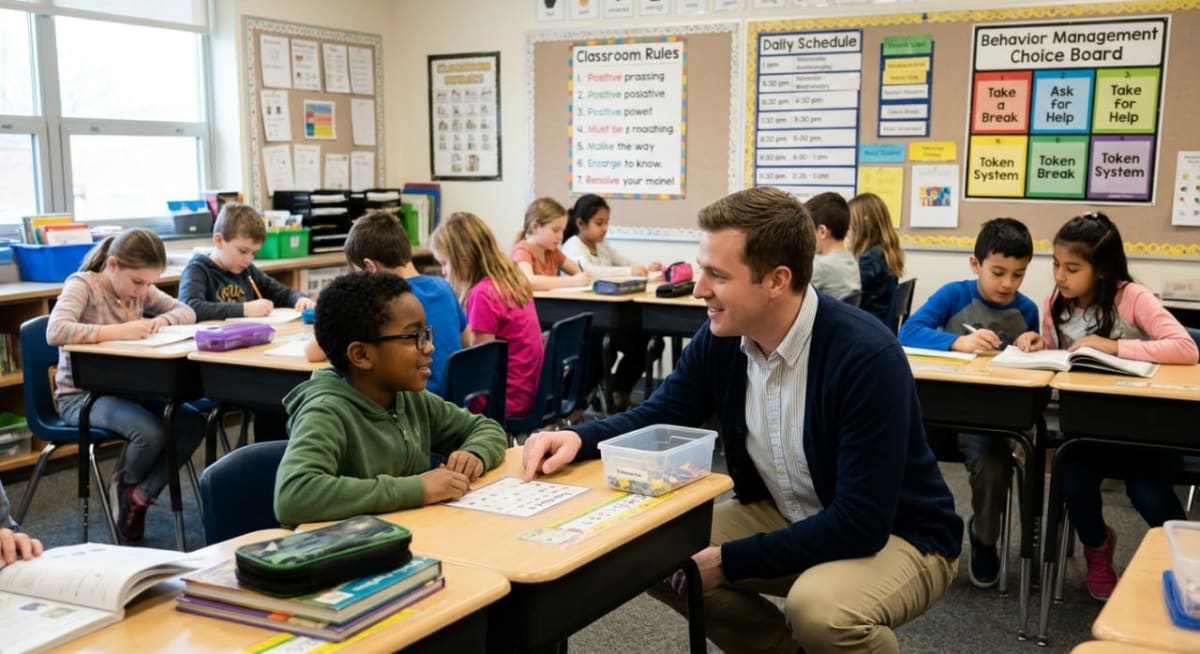
Managing a classroom can be challenging, especially when students display disruptive behavior, refuse to follow instructions, or struggle to stay focused during lessons. Every classroom includes students with different personalities, learning abilities, emotional needs, and behavioral patterns. Therefore, teachers need patience, flexibility, and practical approaches to create a positive learning environment. Rather than viewing challenging behavior as simply a discipline problem, educators should try to understand its underlying causes and respond with consistency and care.
One of the most important approaches is to develop effective classroom management strategies for difficult students that encourage positive behavior while maintaining a respectful classroom atmosphere. Teachers who establish clear expectations, build meaningful relationships, and use appropriate behavior-management techniques can make a significant difference in students' academic and personal development. A supportive classroom also helps students feel valued, understood, and motivated to participate.
1. Establish Clear Classroom Rules
Students need to understand what is expected of them. Teachers should introduce simple, age-appropriate classroom rules at the beginning of the academic year. These rules might include listening when others speak, respecting classmates, completing assignments, and following instructions.
It is equally important to explain the consequences of breaking classroom rules. Expectations should remain consistent for everyone. When students understand boundaries, they are more likely to take responsibility for their actions.
2. Build Positive Relationships with Students
Sometimes, challenging behavior develops because students feel ignored, misunderstood, or disconnected from their teachers. Building positive relationships can help address these concerns.
Teachers should make an effort to learn about students' interests, strengths, and individual challenges. Greeting students warmly, listening to their concerns, and recognizing their achievements can strengthen trust. When students feel respected, they are generally more willing to cooperate and engage in classroom activities.
3. Use Positive Reinforcement
Recognizing good behavior is often more effective than constantly focusing on mistakes. Positive reinforcement encourages students to repeat appropriate behaviors.
Teachers can praise students for following instructions, helping classmates, participating in discussions, or completing their work. Rewards do not always need to be material. Verbal appreciation, encouraging feedback, and classroom responsibilities can also motivate students.
However, praise should be genuine and specific. For example, saying, "You did a great job waiting for your turn," helps students understand exactly which behavior is appreciated.
4. Identify the Reasons Behind Challenging Behavior
Disruptive behavior may have different causes. Some students struggle with academic difficulties, while others experience stress, social challenges, or problems concentrating. Teachers should avoid making quick assumptions about a student's intentions.
Observing behavior patterns can help identify possible triggers. For instance, a student may become frustrated during difficult assignments or lose focus during lengthy lessons. Understanding these situations allows teachers to adjust their teaching methods and provide appropriate support.
5. Make Lessons Engaging and Interactive
Students are more likely to become distracted when lessons feel repetitive or difficult to follow. Interactive teaching methods can improve participation and reduce unnecessary disruptions.
Teachers can introduce group discussions, educational games, creative projects, classroom demonstrations, and practical activities. Breaking longer lessons into smaller sections can also help students maintain attention. Providing different opportunities to participate ensures that students with varying learning preferences feel included.
6. Address Misbehavior Calmly and Consistently
When students behave disruptively, teachers should respond calmly rather than reacting emotionally. Public arguments, embarrassment, or harsh criticism can damage relationships and make the situation worse.
Whenever possible, teachers should speak privately with the student, explain the concern, and discuss better choices. Logical consequences should be fair, respectful, and connected to the behavior. Consistency helps students understand that classroom expectations apply to everyone.
7. Work with Parents and School Support Staff
Managing persistent behavioral challenges should not always be the teacher's responsibility alone. Communication with parents and guardians can provide valuable information about a student's needs and circumstances.
Teachers may also collaborate with school counselors, special education professionals, and administrators when additional support is necessary. A coordinated approach helps create consistent expectations between home and school.
Conclusion
Effective classroom management requires understanding, patience, preparation, and consistency. Difficult behavior should be treated as an opportunity to identify student needs and encourage positive development. By establishing clear expectations, building trusting relationships, recognizing good behavior, and creating engaging lessons, teachers can develop a more supportive learning environment. Ultimately, successful classroom management is not simply about controlling students; it is about helping every learner develop confidence, responsibility, respect, and a genuine interest in education.